Solar System Companies: Renewable Resource Systems Capture Sunshine To Generate Clean Electrical Power For Residences And Businesses
Types of Solar Panels: Selecting the Right Fit for Your Energy Journey
When diving into the world of photovoltaic panels, you might wonder: "Are all panels produced equivalent?" The fact dances someplace in between science and art. Each kind of solar panel carries its own story, advantages, and quirks. Understanding these differences can feel like unwinding a riddle covered in the sun's warm accept.
Monocrystalline Solar Panels
Picture a sleek black tile, polished and consistent-- this is the trademark of monocrystalline photovoltaic panels. Made from a single crystal structure, they boast the greatest performance rates, sometimes going beyond 22%. Their harmony isn't simply visual; it indicates electrons flow with less disturbances, translating into more power.
One house owner once explained setting up these panels as "putting a piece of the sun's core right onto my roofing system." That poetic belief records the premium nature of these panels. Their production includes slicing through silicon ingots, which can be resource-intensive, raising sustainability questions.
Polycrystalline Solar Panels
Now, picture a mosaic-- fragments of blue and silver fused together. That's polycrystalline photovoltaic panels. Composed of several silicon crystals melted together, they have a speckled appearance and somewhat lower performance, typically around 15-17%. They typically come with a friendlier cost tag.
Why choose polycrystalline? If you're searching for a balance in between cost and efficiency, these panels might be your solar soulmate. They may not shine as bright as monocrystalline counterparts, but they inform a story of practicality and ease of access.
Thin-Film Solar Panels
Thin-film panels are the chameleons of the solar world. Flexible, lightweight, and often less noticeable, they're made by depositing a thin layer of photovoltaic product onto a substrate like glass or metal. Their performance tends to hover around 10-12%, but their Solar Rooftop Panels style versatility is unrivaled.
Consider a backpacker who requires solar energy on the go-- thin-film panels fold and bend to fit unique shapes and surface areas. Their lower efficiency suggests they require more space to capture the very same energy as crystalline panels.
Comparing Photovoltaic Panel Types
| Type | Effectiveness | Appearance | Normal Expense | Best For |
|---|---|---|---|---|
| Monocrystalline | 19-22% | Black, consistent | Higher | Limited area, high performance |
| Polycrystalline | 15-17% | Blue, speckled | Moderate | Budget-conscious, standard roofing systems |
| Thin-Film | 10-12% | Varied, versatile | Lower | Flexible applications, large areas |
What Should You Think about Before Choosing?
- Area availability: Just how much roof or ground area do you have?
- Energy goals: Are you intending for optimum performance or cost-effectiveness?
- Ecological impact: How crucial is the production footprint to you?
- Aesthetic choices: Does the look of your solar panels matter?
- Setup surface area: Flat, curved, or portable-- where will your panels live?
Picking solar panels isn't just about black or blue, stiff or flexible. It has to do with aligning innovation with your way of life, worths, and vision for a cleaner future. Have you ever stopped briefly to consider which type of photovoltaic panel might best record your unique sunshine story?
Decoding the Heart of Solar Panels
Imagine sunshine as a quick river of energy, rushing non-stop towards Earth. Solar panels act like proficient anglers, recording photons-- the tiny packets of light-- and turning them into electrical current. This conversion isn't magic; it's physics in movement, specifically through the photovoltaic result. How exactly does this dance unfold?
At the core lies the solar battery, usually made from silicon, a semiconductor that behaves like a gatekeeper for electrons. When sunlight strikes the silicon, it thrills electrons, freeing them from atoms. This liberation creates an electrical field across the cell, compelling electrons to stream in a directed current. That current? It's the lifeline powering your home, your devices, and even your imagine a cleaner future.
What Makes This Process Work So Effectively?
One might question: why silicon? Because of its crystalline structure, silicon balances conductivity and control, enabling electrons to move freely however only when energized by sunlight. Yet, this procedure copyrights on a delicate balance. Even subtle dust accumulation or shading can reduce output considerably-- sometimes by more than 20%. This is why panel positioning and angle aren't just practical issues; they're crucial to maximizing energy harvest.
Insider Tips for Optimizing Solar Panel Output
- Ideal Tilt Angle: Adjust panels seasonally to capture the most direct sunshine. This basic tweak can improve efficiency considerably.
- Bypass Diodes: These small parts safeguard against shaded or broken cells, avoiding one dark spot from dimming the entire panel.
- Temperature Management: Contrary to instinct, photovoltaic panels lose performance as they warm up. Make sure sufficient airflow behind panels to keep them cooler.
- Wiring & & Inverter Quality: The journey from electrons to usable power depends heavily on electrical wiring gauge and inverter technology. Thin wires or below average inverters leakage valuable energy.
The Invisible Tug-of-War Inside Your Panels
Ever seen how some days your panels seem less productive in spite of brilliant sunshine? It's not always about clouds or dirt. Internal resistance-- the covert friction within the cells-- can sap output quietly. Professionals often recommend keeping an eye on systems that track panel voltage and existing, revealing subtle drops that signify internal wear or micro-cracks undetectable to the naked eye.
Comprehending the Function of the Inverter
Solar panels produce direct present (DC), however your home appliances yearn for rotating present (AIR CONDITIONER) The inverter plays the important function of translator, turning that DC into air conditioner without losing much energy. However, not all inverters are created equivalent. String inverters versus microinverters each have their advantages and disadvantages, specifically when partial shading or irregular panel orientations come into play.
Quick Referral: Secret Parts and Their Roles
| Component | Function | Expert Insight |
|---|---|---|
| Solar Cell | Transforms sunlight into electric current | High-purity monocrystalline cells yield better effectiveness |
| Glass Cover | Protects cells while permitting light penetration | Anti-reflective finish can increase light absorption by 5-10% |
| Encapsulant | Protects cells and cushions versus shocks | Resilience varies-- try to find EVA or similar innovative products |
| Backsheet | Shields panel underside from moisture and damage | UV-resistant backsheets extend panel lifespan |
| Inverter | Transforms DC to a/c for household use | Microinverters master partial shading situations |
Unlocking the Power: Why Solar Panels Make Sense
Imagine staring out at your roofing bathed in sunlight, silently transforming rays into electrical power without a single sound. This peaceful change is one of the lots of concealed treasures of solar panels. The most immediate benefit? A significant reduction in your regular monthly energy expenses. Yes, those costs that typically seem like an inescapable concern can diminish significantly, in some cases even vanishing entirely.
What about the less apparent perks? Consider the idea of energy self-reliance. When you harness solar energy, you're not simply cutting costs; you're acquiring a step of liberty from varying energy markets. It's like planting a seed that grows into a self-sufficient tree. No longer chained to the grid's impulses, you can produce your own renewable energy and even store excess power for later usage.
Why Resilience Matters More Than You Believe
One often ignored benefit is the unbelievable longevity of photovoltaic panels. Lots of people expect to change them every years or so, however panels typically last 25 to thirty years or more. They hold up against hail, snow, and relentless sun direct exposure, quietly carrying out every year. This sturdiness implies the preliminary investment settles over years, making it a true long-term property rather than a short lived expense.
Ecological Effect: A Ripple Effect
Switching to photovoltaic panels triggers a waterfall of favorable results on the environment. Producing clean energy lowers reliance on nonrenewable fuel sources, curbing carbon emissions that add to climate modification. But the ripple exceeds carbon: it decreases air contamination and water utilize connected to traditional energy production. Picture your roof as a small but powerful battleground versus environmental degradation.
Expert-Led Tips to Optimize Photovoltaic Panel Benefits
- Ideal Positioning: Panels should deal with real south (in the Northern Hemisphere) for optimum exposure. Even a little variance can slash performance by as much as 20%.
- Routine Inspection: Dust, particles, and shading can calmly wear down performance. Examine panels seasonally to catch problems early.
- Smart Energy Usage: Line up high-energy activities like laundry or dishwashing with peak sunshine hours to take advantage of real-time energy production.
- Battery Integration: Combining solar panels with home batteries improves energy reliability and can minimize grid reliance even more.
Has your curiosity ever led you to question how much energy those quiet panels produce on a cloudy day? While output dips, contemporary photovoltaic innovation still draws out meaningful power even in scattered light, keeping your home humming along. This resilience indicates solar energy isn't just for warm environments-- it's a flexible service adaptable to numerous environments.
Getting ready for Installation: What to Expect
Before the very first solar panel kisses your roof, an in-depth site assessment happens. This is where science satisfies art-- measuring sun direct exposure, shading patterns, and roofing angles to guarantee maximum energy capture. Ever observed how a single tree branch, innocuous in look, can calmly mess up effectiveness? That's why expert installers invest time in exact shading analysis.
Lots of property owners undervalue the value of this action. A common bad move is hurrying into installation without resolving subtle structural nuances. Older roofings might need support to bear the extra weight of the panels-- a subtle however important information frequently ignored.
Step-by-Step Setup Breakdown
- Mounting System Setup: Picking in between flush installs or adjustable racks depends upon your roofing system's pitch and wind exposure. The installs need to be anchored firmly to withstand extreme weather condition.
- Panel Positioning: Panels are placed to catch optimal sunlight, frequently following the sun's arc from east to west.
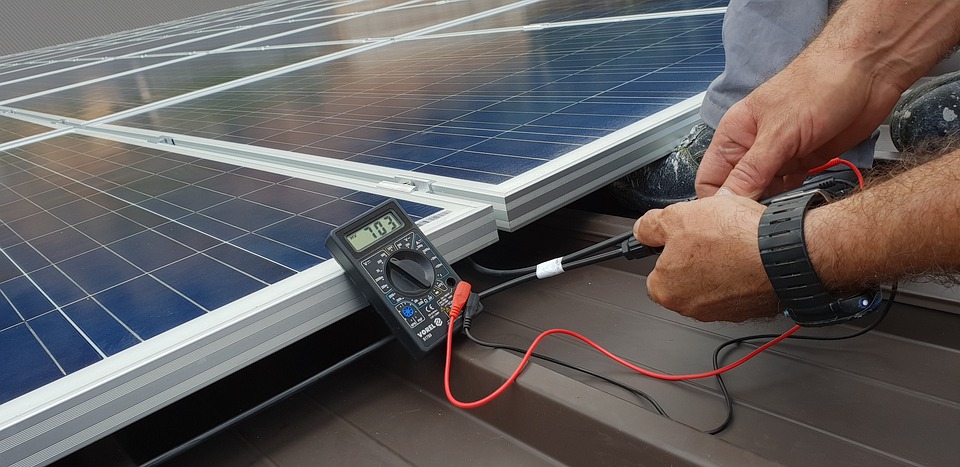
- Electrical Electrical wiring: This stage demands precision. Incorrect electrical wiring can trigger power loss or safety risks. Utilizing premium ports and weatherproof conduits ensures durability.
- Inverter Connection: The inverter transforms DC electrical power to a/c power for household use; proper setup here enhances system efficiency.
- System Screening: Last checks imitate various conditions to verify stable operation and performance.
Key Technical Tips for a Smooth Setup
- Constantly verify roof integrity before mounting; a surprise leak can end up being a disaster post-installation.
- Use anti-corrosion materials for installs-- metal fatigue is a slow enemy.
- Seal all penetrations diligently to prevent water seepage.
- Think about panel tilt modifications seasonally to enhance output-- often a manual tweak can add up with time.
- Label your circuitry plainly; future troubleshooting ends up being a breeze.
Unforeseen Obstacles and How to Navigate Them
Ever been caught off guard by an unequal roofing surface? Installation crews frequently deal with distorted or sloped areas that defy basic installing packages. Innovative services like custom brackets or partial panel ranges come into play here. It's a puzzle that requires both engineering acumen and hands-on resourcefulness.
Electrical restraints can also emerge-- subpanels may lack capability, requiring upgrades. Ignoring this can lead to frequent tripping or reduced efficiency. Does your household electrical system have the bandwidth to deal with a brand-new solar selection? This question is worthy of a thorough examination before lifting a single panel.